Harness racing industry aims for funding boost in Michigan
State legislation would increase the cap limiting how much the Agriculture Equine Industry Development Fund receives
HB 4346 and HB 4347 would revise Michigan's internet gaming and horse racing laws
LANSING – Michigan's harness racing industry is hoping the Michigan House of Representatives will approve a bill package this week that could send more money to a state fund supporting its activities.
The House’s Rules committee voted to send HB 4346 and HB 4347 out of committee during their Dec. 11 meeting.
Michigan Harness Horseman’s Association President Brett Boyd told members via Facebook video that the move out of committee could put HB 4346 and HB 4347 before the full House this week, expressing hope that the House would pass the bills and send them on to the Senate.
Under current laws, Michigan’s Agriculture Equine Industry Development Fund gets as much as 5% of the tax revenue from internet gambling via commercial casinos in the state. But that 5% cut is capped at $3 million, no matter how many hundreds of millions of dollars are collected.
The proposed legislation would decrease the percentage from 5% to 4% but would gradually increase the cap to $15 million in 2028.
The bill package also spells out allocations from the Ag Equine fund for county fairs, as well as expenses such as on-site veterinarians at races, track maintenance, ambulances, and other costs associated with harness racing.
The proposed legislation describes allocations for breeders and owners of successful racehorses, including Thoroughbreds. Though there aren’t any Thoroughbred tracks still operating in Michigan, breeders and owners do remain.

Legislation to improve funding for the harness racing industry in Michigan has failed previously, in part due to a perception that it would take money away from the School Aid Fund.
The Michigan Harness Horseman’s Association (MHHA), which works with the lobbying firm Kelley Cawthorne, is describing the legislation’s intended impact as “less of an increase” to the School Aid Fund, rather than a cut.
Public Act 152 of 2019 taxes online gambling at rates between 20-28% of gross receipts. It spreads money (from commercial casinos with internet gaming licenses) amongst
1) “the city in which the internet gaming operator licensee's casino is located” (30%);
2) the Internet Gaming Fund (65%), and
3) the Agriculture Equine Industry Development Fund (5%).
With the Ag Equine’s 5% share capped at $3 million, any excess over $3 million goes to the internet gaming fund and, eventually, the School Aid Fund.
Besides the city’s share and the Ag Equine share of the tax revenue, there are other expenses in line—before Michigan’s schools—for a cut. The internet gaming fund covers the administrative costs of enforcing Michigan’s online gaming laws and designates money to two other funds.
After that, the School Aid Fund gets paid.
MHHA, in describing the proposed legislation’s impact on the School Aid Fund as “less of an increase,” points to the explosion in internet gaming since its legalization in 2019.
In a handout to members, MHHA estimates the School Aid Fund could receive $200+ million more in 2028 from online gaming taxes than in 2025, while the Ag Equine fund would receive $15 million.
“At the conservative 12% growth rate in online taxes, HB 4346 poses no threat to School Aid Fund growth,” the handout states.
And if people stop gambling so much? MHHA stressed that HB 4347 contains a “hold harmless” provision that would protect the School Aid Fund if internet gaming revenue drops.
Michigan Harness Horsemen's Association Legislative Action Center
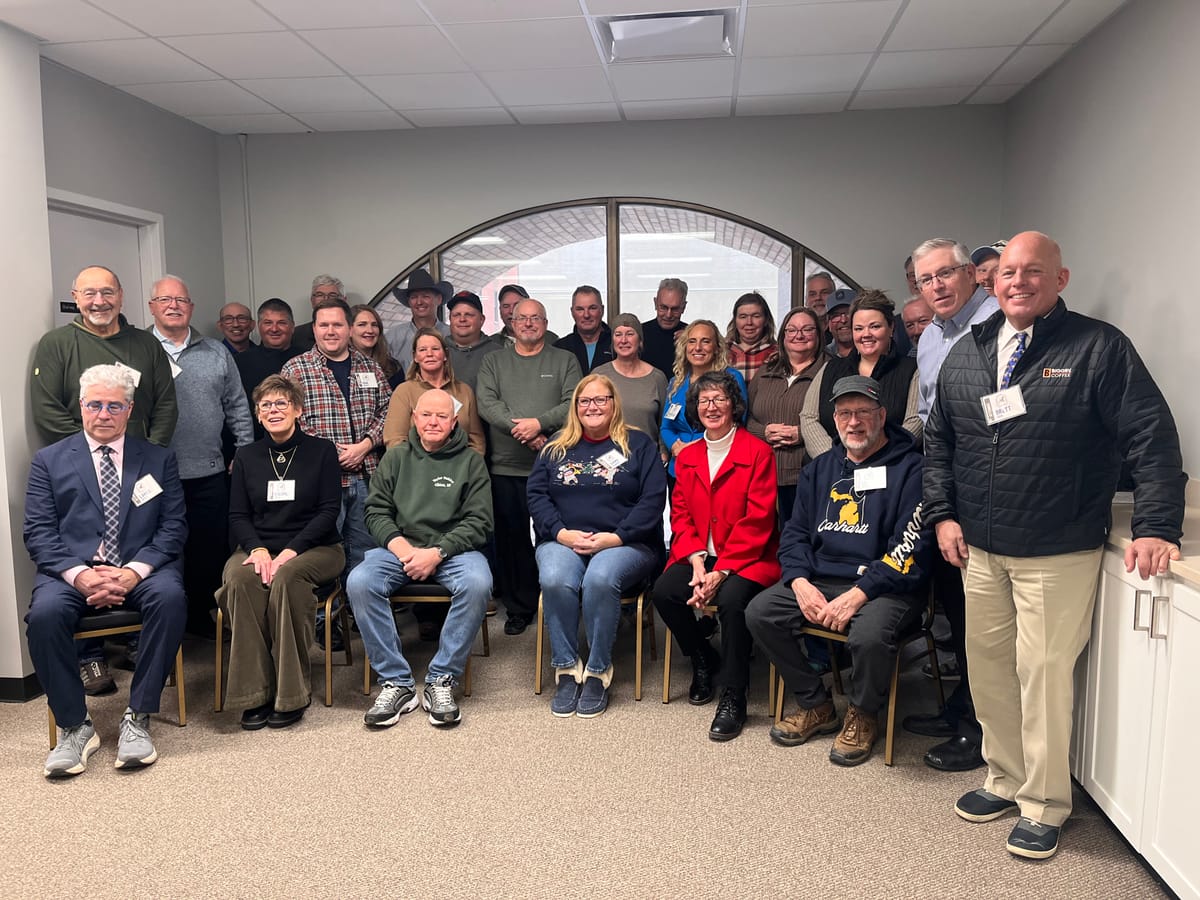
The move out of the rules committee followed the association’s legislative day on Dec. 9. Harness racing industry members met with senators, representatives, and staffers in Lansing to describe what the bill’s passage could mean for their operations, the harness racing industry in Michigan, and county fairs throughout the state.
The association allowed The Michigan Hoof Beat to attend the gathering and the meetings.
The Michigan Hoof Beat was in meetings with Senator Curt VanderWall (R-Ludington) and Representative Matt Maddock (R-Milford).
VanderWall, who previously served on the Western Michigan Fair Association’s Board of Directors in Mason County, assured harness racing industry members that he intended to support the legislation if it comes before the Michigan Senate.
Staff members for Sen. Sarah Anthony (D-Lansing), Sen. John Cherry (D-Flint), Rep. Bill Schuette (R-Midland), and Sen. Lana Theis (R-Brighton) were also receptive and generally positive towards the bill package.
(Publisher’s note: The Michigan Hoof Beat chose to attend meetings scheduled by the association based on the following factors: 1) whether the reporter had previously covered the legislator, 2) whether Boyd, the harness association president, was also in the meeting, and 3) convenience and efficiency.)
The sole critic directly encountered by The Michigan Hoof Beat was Rep. Maddock, who questioned why taxpayers should support the harness racing industry and posited that the industry couldn't be saved in Michigan.